

Have you ever felt overwhelmed by your to-do list? It’s easy to get lost in a sea of tasks and priorities. Mindful planning can help you cut through the noise and create a daily routine that fosters productivity and peace. This guide will walk you through how to establish a mindful daily planning routine that not only boosts your efficiency but also nurtures your mental well-being. From setting your intentions to reflecting on your day, each step is designed to help you focus on what truly matters.
In a world that often demands more than we can give, a mindful approach allows you to reclaim your time and energy. Being mindful means being present, and that’s exactly what your planning routine should encourage. Let’s embark on this journey together, one step at a time!
1. Start With Intentions

Every mindful planning routine begins with intentions. Taking the time to set your intentions for the day can dramatically shift your focus. Start by asking yourself questions like, ‘What do I want to accomplish today?’ or ‘How do I want to feel throughout my day?’
When you clarify your goals, you create a roadmap that guides you. Writing down a few key intentions in your planner is essential. You might want to focus on positivity, complete a specific project, or simply enjoy a slower pace. Whatever it is, having clear intentions sets the tone for the day.
To help you with this practice, consider using a mindfulness journal. This journal is designed for daily productivity, happiness, gratitude, and self-reflection. By jotting down your intentions here, you can keep them visible and revisit them as needed.
Another tool to consider is a dry erase board. This small board can be placed in a prominent spot in your home or office. Writing your intentions on it allows you to see them throughout the day, reinforcing your goals and helping you stay aligned with your values.
You might also find motivational sticky notes useful. These colorful notes can serve as quick reminders of your intentions. Place them on your computer, fridge, or workspace to keep your mindset focused.
By incorporating these tools into your daily routine, you not only enhance your productivity but also keep distractions at bay, ensuring you’re on track to achieve your intentions.
See also 10 Casual Chic Outfits That Capture the Essence of Martha Stewart (You’ll Want to Copy #8!)
2. Design Your Daily Ritual

A daily ritual adds a sense of structure to your routine. It can be as simple as enjoying a cup of coffee while reviewing your planner or taking time for deep breathing before starting your tasks. Rituals help anchor your day, making transitions smoother.
Consider these elements when designing your daily ritual:
– **Morning routines**: Start your day with gratitude or meditation to center yourself. A great tool for this is the 5-Minute Gratitude Journal: Give Thanks, Practice Positivity, Find Joy. This mindfulness journal helps you focus on what you’re thankful for, setting a positive tone for the day ahead.
– **Midday breaks**: Step outside or practice mindfulness to refresh your mind. Using a comfortable Retrospec Sedona Zafu Meditation Cushion can enhance your meditation practice, providing the support you need to focus on your breathing and relax during your breaks.
– **Evening wind-down**: Take time to reflect on your day and plan for tomorrow. Engaging in a calming evening routine helps you transition into restfulness and prepares you for the next day.
Rituals bring a comforting predictability to your day, helping to reduce stress and increase focus.
3. Prioritize Your Tasks

Identifying what’s truly important is key to effective planning. Not all tasks hold equal weight, so prioritize them based on deadlines, importance, and your overall goals. Consider using a method like the Eisenhower Matrix to categorize tasks into urgent, important, or both. To help you with this, the Eisenhower Matrix Notepad is a great tool. With 50 pages of sticky notes, you can easily jot down tasks and categorize them visually, reinforcing your priorities each day.
Here are some steps to prioritize tasks effectively:
– Make a comprehensive to-do list every morning. A great way to do this is by using a daily planner. The Daily Planner Journal features an hourly schedule and to-do list layout, making it effortless to organize your tasks and appointments.
– Classify tasks as high, medium, or low priority. This method helps you focus your energy where it matters most.
– Focus on completing high-priority tasks first. To manage your time effectively while you tackle these tasks, consider incorporating the Time Management Timer. This rotating timer helps you work in focused intervals, whether it’s for 5, 25, or 50 minutes, making it easier to stay on track and reduce distractions.
This approach ensures that you channel your energy into what matters most, reducing the pressure that comes with a long list of tasks.
4. Time Block Your Day

Time blocking is a powerful technique that can supercharge your productivity. By allocating specific blocks of time for tasks, you create a clear agenda that reduces distractions. Start by breaking your day into chunks and assign tasks to those blocks.
To enhance your time-blocking routine, consider using a few helpful tools. First, review your prioritized tasks and estimate how much time each will take. A daily planner notebook can be invaluable for this step. With its organized format, you can easily jot down your tasks and plan your day accordingly.
Next, schedule those tasks into your calendar, allowing for breaks in between. A time management timer can help keep you on track during these blocks. This versatile tool allows you to set specific time intervals for work and breaks, helping you to stay focused and avoid multitasking.
Finally, commit to working on only that task during its designated time, avoiding distractions. A calendar whiteboard can serve as a visible reminder of your daily agenda, making it easier to stay committed to your planned tasks. Time blocking can enhance focus, minimize overwhelm, and make your day feel more manageable.
5. Incorporate Mindfulness Breaks

Mindfulness breaks are essential for maintaining productivity. It’s easy to burn out if you don’t take time to recharge. Schedule regular breaks throughout your day to practice mindfulness techniques such as deep breathing, stretching, or a quick walk outside.
To enhance your mindfulness breaks, consider using a guided meditation app subscription for a quick 5-minute guided meditation. This can help center your thoughts and reduce stress, making it easier to focus when you return to your tasks.
Stepping outside for fresh air and sunlight is another excellent way to rejuvenate. Pair this with a comfortable surface like the yoga mat when doing light stretches to relieve tension. The mat provides cushioning and stability, allowing you to fully immerse yourself in your stretching routine.
These breaks can help you return to your tasks with renewed energy and clarity, ultimately boosting your productivity.
Mindfulness breaks are not just a luxury; they’re a necessity! Take a few moments to breathe, stretch, or step outside, and watch your productivity soar. Recharge to conquer your day with clarity and focus!
6. Reflect on Your Day

At the end of your day, take a moment to reflect on what you accomplished. This can be a powerful practice in mindful planning. Jot down what went well, what didn’t, and how you felt throughout the day.
Consider using a mindfulness journal to capture your thoughts. This simple tool encourages gratitude and positivity, allowing you to focus on your achievements and lessons learned.
You might also find it helpful to utilize a daily planner, such as the time management planner. This planner can assist you in organizing your tasks and reflecting on your productivity at the end of the day.
Reflection prompts to consider:
– What did I achieve today?
– What challenges did I face?
– How did I feel about my productivity?
Reflection helps you learn from your experiences and adapt your planning routine for future success. It also provides a sense of closure to your day.
Reflecting on your day isn’t just a routine; it’s a pathway to growth. Embrace each moment, learn from your challenges, and celebrate your wins. That’s the essence of mindful planning!
7. Adjust Your Planning as Needed

Flexibility is key in any planning routine. Life can be unpredictable, and the ability to adjust your plans can help reduce stress. If something doesn’t go as expected, be willing to adapt and find new solutions.
For adjusting your planning:
– Don’t be afraid to reschedule tasks that are not urgent. A daily planner notebook can help you visualize your tasks and easily move them around as priorities shift.
– Regularly reassess your priorities and adjust accordingly. Tools like a pomodoro timer can keep you focused on the most important tasks while allowing for breaks and adjustments throughout the day.
– Embrace changes as opportunities for growth rather than setbacks. Incorporating a mindfulness journal into your routine can help you reflect on your experiences and find positivity in unexpected changes.
A proactive approach to adjustments can keep your planning routine mindful and effective.
Flexibility is the secret ingredient to mindful planning. Embrace the unexpected, adjust your plans, and watch how challenges become opportunities for growth!
8. Use Visual Aids
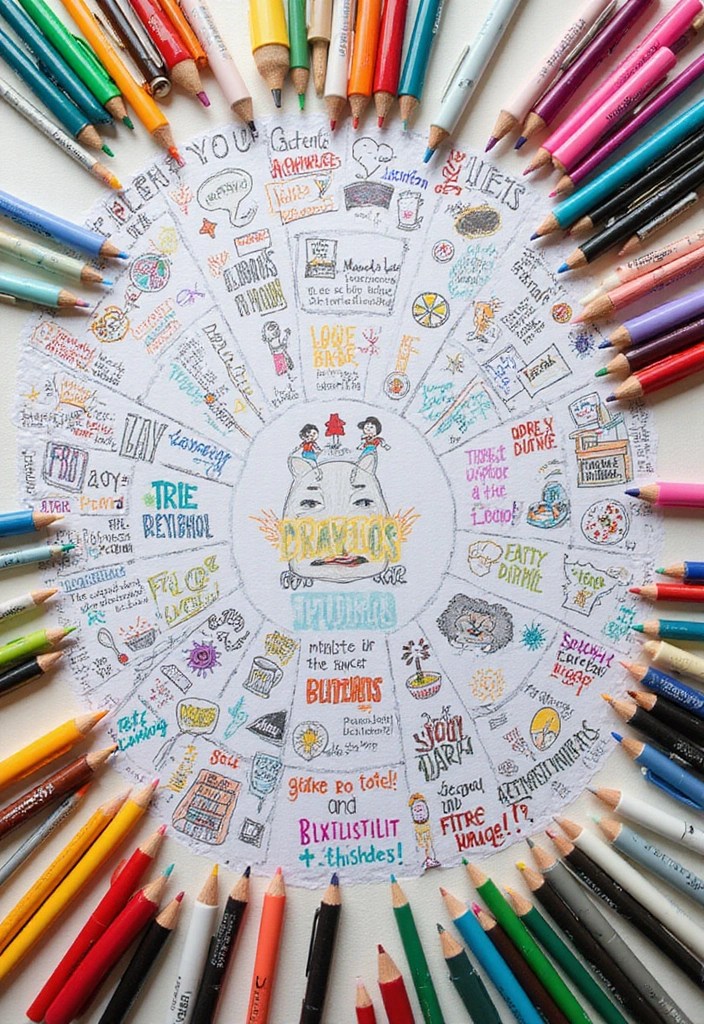
Incorporating visual elements into your planning routine can enhance understanding and inspire creativity. Use colorful pens, like the Paper Mate Colorful Gel Pens – InkJoy Gel Pens Assorted Medium Point, to add vibrancy to your writing and sketching. These pens come in a variety of colors, making it easy to visually represent your tasks and intentions, ultimately making your planning more engaging and fun.
You could also elevate your planning with stickers, such as the Aesthetic Greenery Planner Stickers for Fun Planning. With over 1100 stunning designs, these stickers can be used to enhance your daily calendar and planner journaling, adding a delightful touch to your planning process.
Additionally, consider using a bullet journal like the RETTACY Bullet Dotted Journal Notebook. This journal provides a perfect space for bullet journaling, planning, and tracking, with its thick paper ensuring that your colorful creations don’t bleed through.
These visual aids not only make your planning appealing but also help you visualize your progress. Embrace the fun and watch your productivity soar!
9. Celebrate Small Wins
Recognizing and celebrating your accomplishments, no matter how small, can boost motivation and satisfaction. At the end of the day, take a moment to acknowledge what you did well.
One enjoyable way to celebrate your wins is by treating yourself to a favorite snack or activity. Consider indulging in a delicious treat from a healthy snack box, which offers a variety of nutritious options perfect for keeping your energy up while you reflect on your achievements.
Another meaningful way to celebrate is to share your successes with friends or family. You might find it helpful to write down your accomplishments in a mindfulness journal. This can serve as a great reminder of your progress when you need a motivational boost.
Additionally, surrounding yourself with positivity can reinforce your accomplishments. Consider adding motivational decor to your space, like motivational wall art. It serves as a daily reminder of your dedication and can help cultivate a mindset of gratitude and accomplishment.
Celebrating small wins helps reinforce positive habits and encourages a sense of fulfillment.
10. Keep a Consistent Review Process

Consistency is key in any mindful planning routine. Establishing a weekly review process is essential for assessing your progress and setting intentions for the upcoming week. This practice reinforces your commitment and allows you to stay aligned with your goals.
To facilitate your weekly review, consider incorporating tools that enhance your planning experience. For instance, using a daily planner notebook like the Ymumuda 2025-2026 Planner can help you track last week’s achievements and challenges effectively. Its structured layout allows you to jot down key reflections, making it easier to visualize your progress over time.
Additionally, adjusting your upcoming plans based on what you’ve learned is crucial. A time management timer, such as the rotating Pomodoro Timer, can help you break down tasks into manageable segments, ensuring that you allocate your time wisely throughout the week. The preset intervals encourage focus, making it simpler to adapt your plans based on your findings from the previous week.
Lastly, setting new intentions for the week ahead can be greatly supported by a goal setting journal like “This Year I Will…”. This journal offers weekly prompts that guide you in articulating your goals and aspirations, fostering a proactive approach to your planning.
A consistent review process ensures that you remain focused on what truly matters and continuously improve your planning strategies. By integrating these tools into your routine, you’ll find that staying on track becomes not only easier but also more rewarding.
Conclusion

Creating a mindful daily planning routine is a rewarding process that can transform the way you manage your tasks and time. By setting intentions, prioritizing, and being flexible, you not only boost your productivity but also enhance your overall well-being. Consider integrating these strategies into your routine for a more mindful and fulfilling day-to-day experience.
Take a moment to reflect on your current planning methods and see where you can incorporate mindfulness to elevate your productivity!
Note: We aim to provide accurate product links, but some may occasionally expire or become unavailable. If this happens, please search directly on Amazon for the product or a suitable alternative.
This post contains Amazon affiliate links, meaning I may earn a small commission if you purchase through my links, at no extra cost to you.
Frequently Asked Questions
What is mindful planning, and how can it improve my daily routine?
Mindful planning is all about being intentional with your time and tasks. By setting clear intentions for your day, you can create a focused and productive routine. This approach helps you prioritize what truly matters, reducing overwhelm and enhancing your overall productivity.
How do I start creating a mindful daily planning routine?
Begin by setting your daily intentions. Ask yourself what you hope to achieve that day and write it down. Next, design a daily ritual that brings you joy, like savoring your morning coffee while reviewing your tasks. This creates a positive mindset for the day ahead!
What techniques can I use to prioritize my tasks effectively?
To prioritize your tasks, consider using the Eisenhower Matrix or the ABCD prioritization method. These techniques help you categorize tasks based on urgency and importance, ensuring you focus on what truly drives your goals forward. Remember, not all tasks hold equal weight!
How can I incorporate mindfulness breaks into my daily planning routine?
Incorporating mindfulness breaks is crucial for maintaining productivity. Schedule short breaks throughout your day to practice deep breathing, meditate, or even take a walk. These pauses help recharge your mind and body, preventing burnout and keeping your focus sharp.
What should I do if my daily planning doesn’t go as intended?
Flexibility is key in any mindful planning routine! If things don’t go as planned, take a moment to reassess and adjust your schedule. Being adaptable reduces stress and allows you to find new solutions, ensuring you stay on track toward your goals despite unexpected changes.



 Girly Pops
Leave a comment